
Kid'chen: community
A social and solidarity economy model to fight malnutrition in schools
Our approach
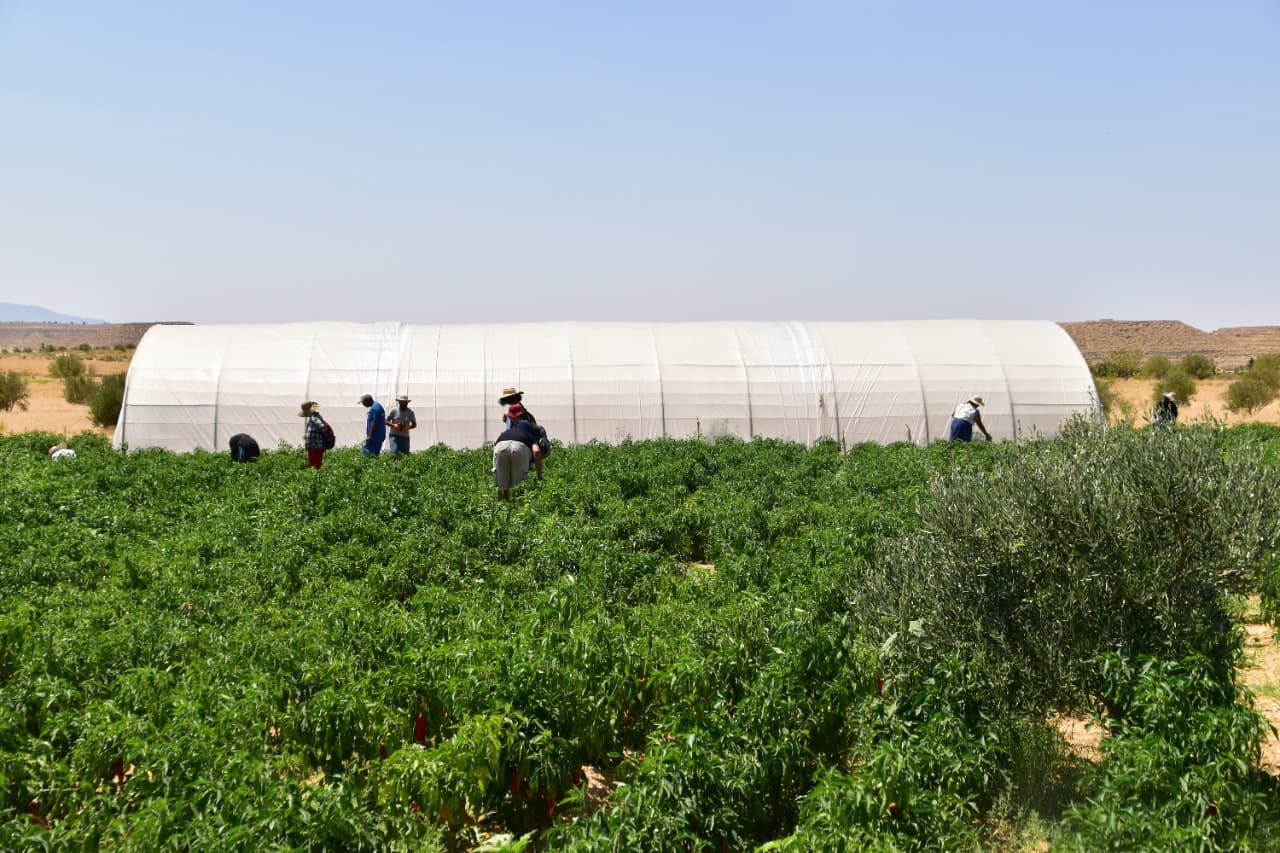
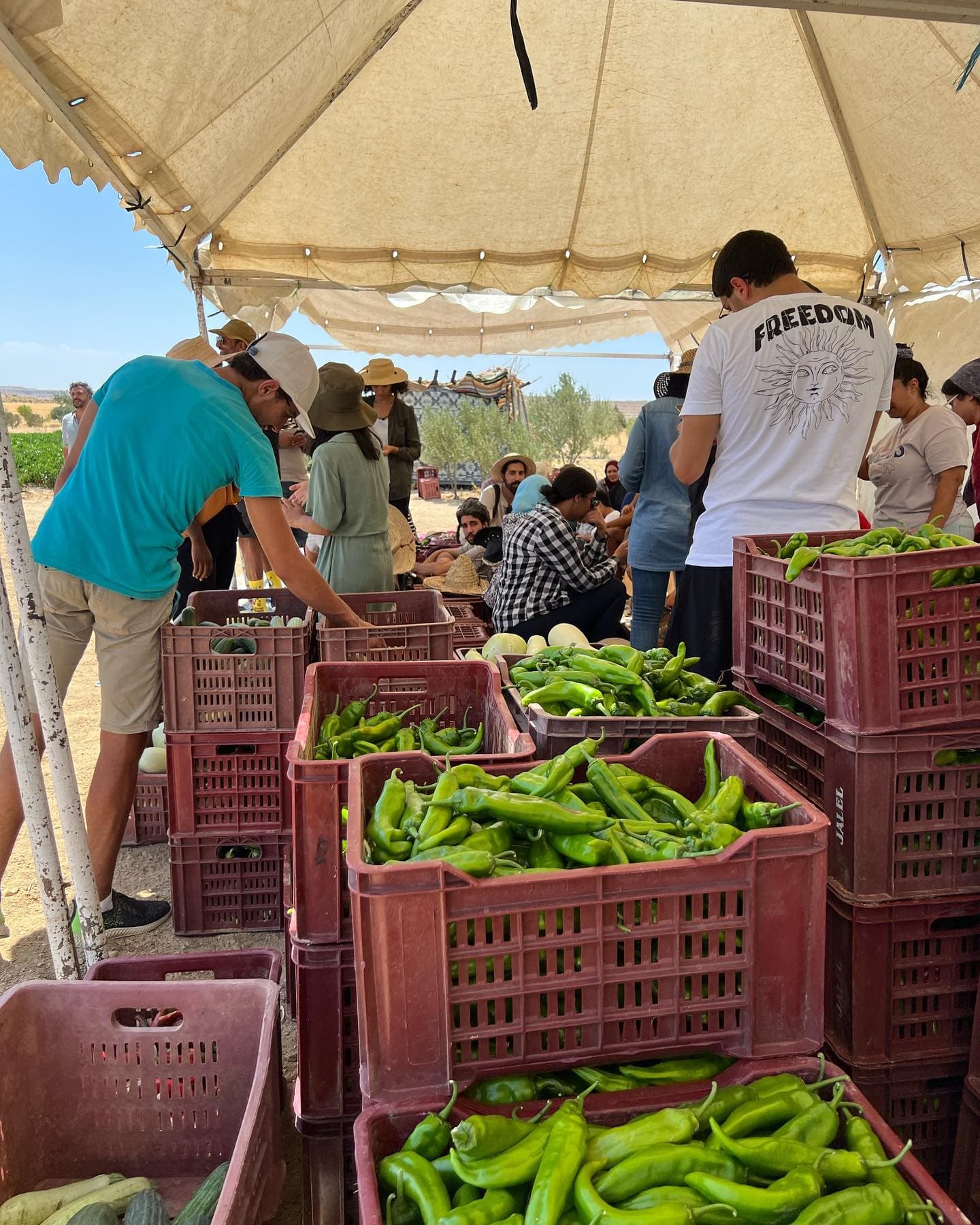
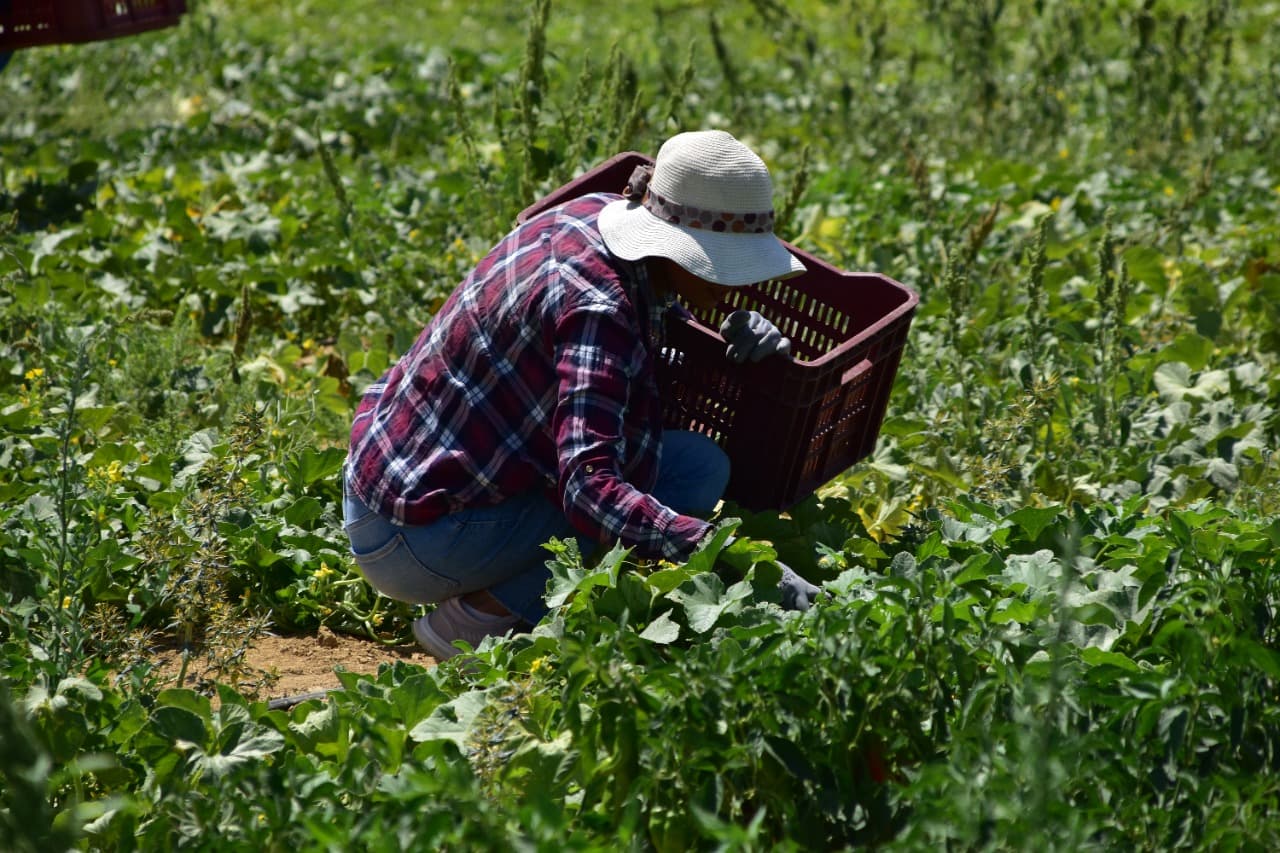
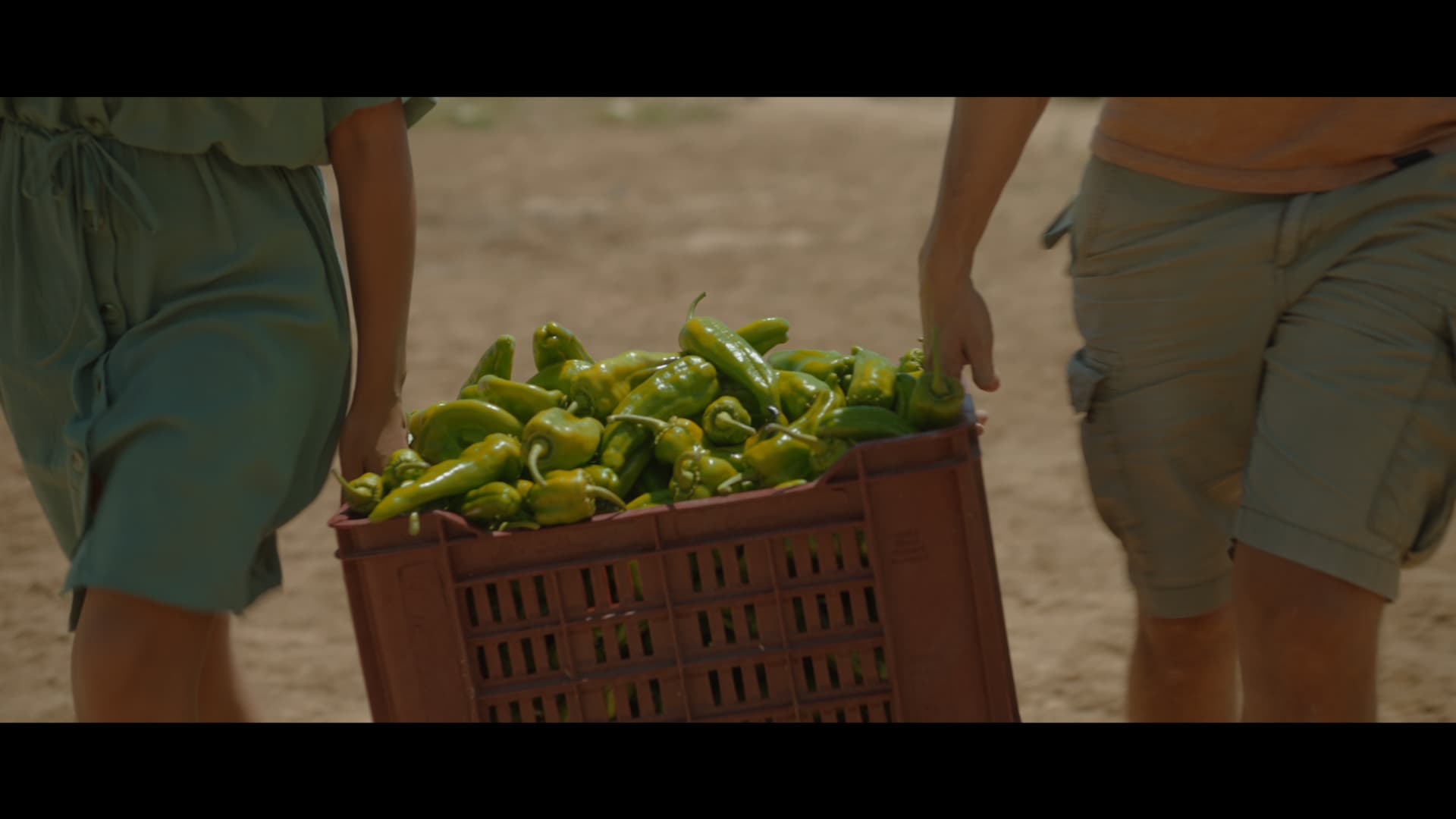
By applying a social and solidarity economy model, Wallah We Can offers a sustainable solution to fight malnutrition in schools by making them self-sufficient in food. We trained unemployed parents in sustainable agriculture, employed them to cultivate 8 hectares of land. The fruits and vegetables grown and harvested are distributed directly to school canteens. The surplus production is then marketed to self-finance the project.
Key figures from the pilot project
If a child is hungry, teach their parents to farm!
hectares
of cultivated land
jobs
created for parents
meals
balanced and free
tons
of fruits and vegetables
SMSA Kid'chen
virtuous economic model
The Kid'chen project cycle
Land cultivation
Harvests
School canteen
Free and balanced meals
Waste composting
Marketed surplus
Online/supermarket sales
More jobs created
More land cultivated
Beneficiaries of the Kid'chen project
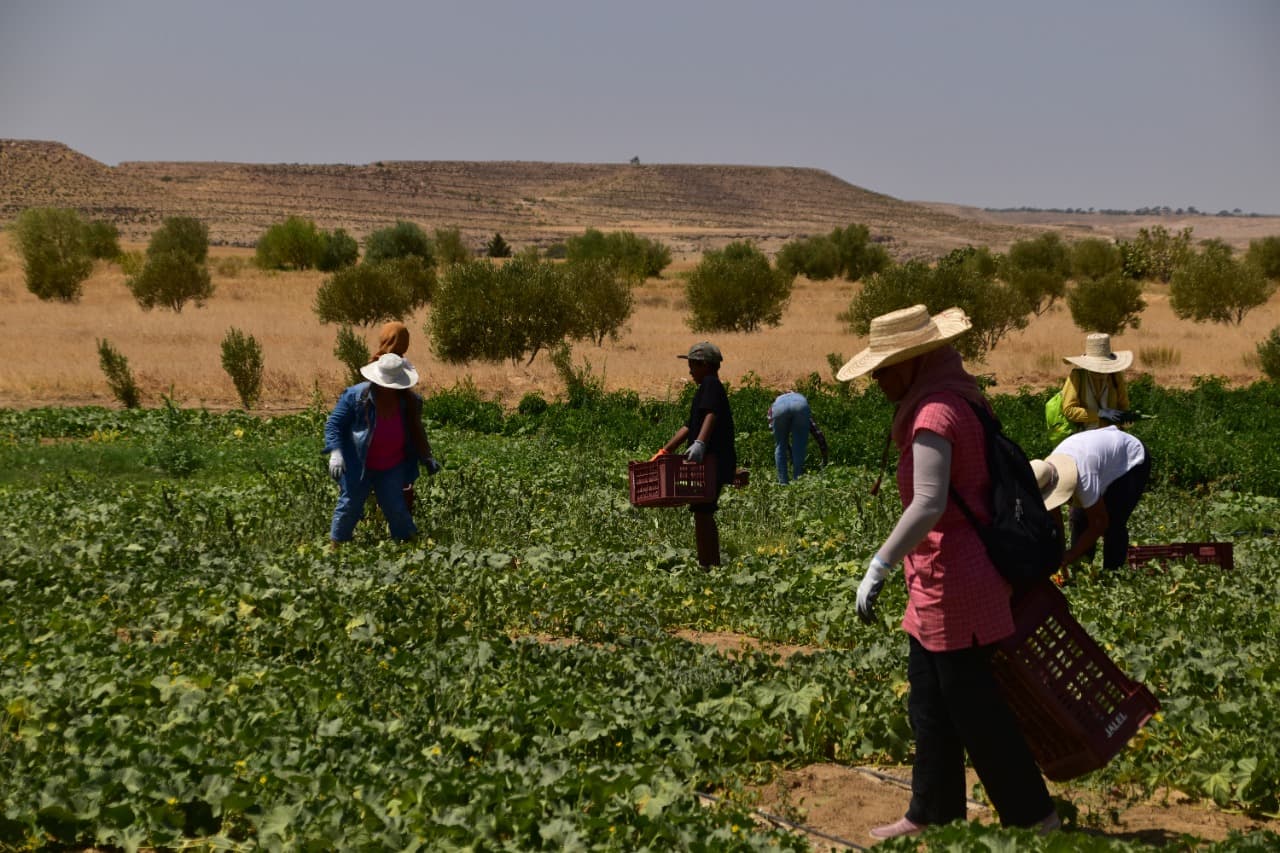
Parents
Unemployed adults trained in agriculture, they receive fair wages, social coverage, and safe transportation, leading to a better work culture and improved living conditions.
Students
Students will benefit from balanced and free meals, resulting in better concentration in class, improved education, and reduced dropout rates.
Support Kid'chen: Nourishing the future
Every contribution helps cultivate a healthier and fairer future for children and their families.
In children
And free
For parents